



Step-by-step Natural Disaster Preparedness Plan

No one ever thinks their house and personal belongings will be lost to a flood, or that they’ll be forced to evacuate at a moment's notice. For people with CF, it’s vital to be as prepared as possible if a natural disaster or emergency strikes. Many people understand the threat, but they feel lost when it comes to creating a plan, gathering supplies, and knowing who to turn to for help in an emergency. Truthfully, I feel the exact same way. In my own attempt to be better prepared, let’s walk through the recommended steps when creating a natural disaster and emergency preparedness plan with CF together.
Make a physical plan
A natural disaster and emergency preparedness plan is your safety net during precarious situations. Although each family’s plan will look different, record and share vital information with every family member annually. If the power goes out or you are separated from loved ones, keep a physical copy of your preparedness plan. Included in the plan, make sure to list key information and supplies needed, such as1:

- Evacuation locations and meeting spots
- Medications and their storage requirements
- Medical devices and equipment
- Family members addresses and contact info
- Doctor, pharmacy, and insurance contact info
- Certified copies of birth certificates, insurance cards, and IDs
- Home and Life insurance information
- CF Compass contact info
Gather supplies
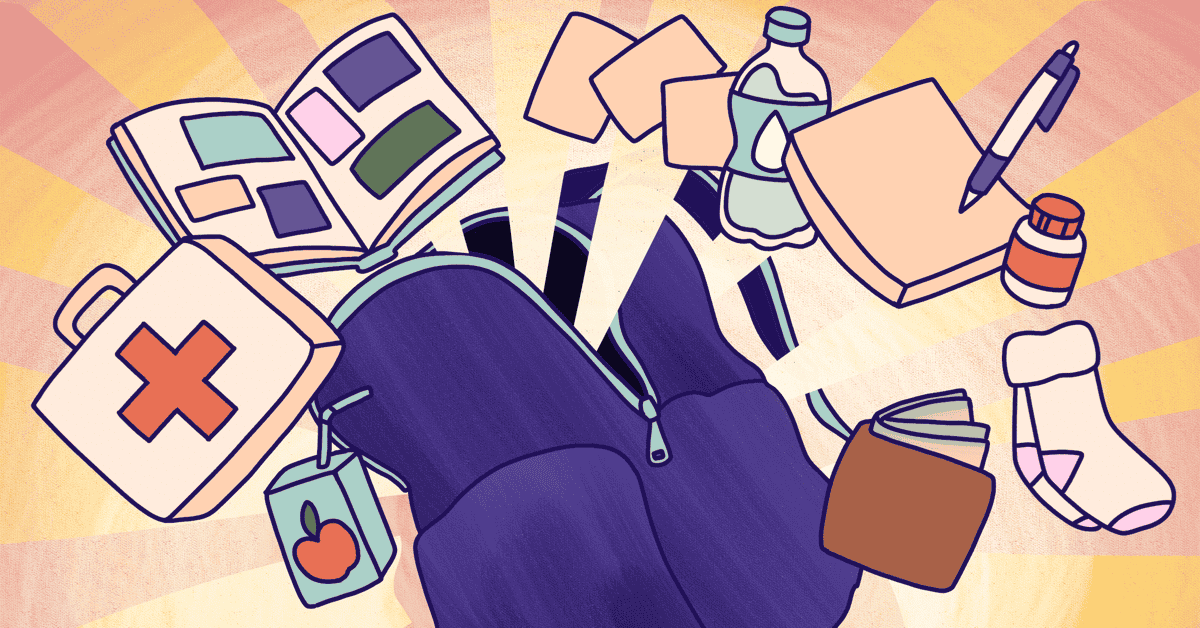
Personally, gathering supplies in an emergency feels the most overwhelming. How do you know what to pack and what will be most useful? Experts agree that emergency supplies should be functional to meet your basic needs and ensure your safety. Consider packing the following1:
- Flashlight
- Battery-operated radio
- Batteries
- First-aid kit and manual
- Emergency food and water to last 3 days for each family member
- Portable cellphone charger
- Cash
- Change of clothes and sturdy shoes
- Medications and medical supplies
It’s a good idea to have two emergency supply packs: one for your home and one for your car1. Annually, sort through supplies to ensure they work and aren't expired; replace any used items. That way, you'll always know you are prepared to respond in an emergency.
Consider investing in a generator
Extended power outages are more than just a minor inconvenience for people with CF who depend on electricity to administer medications and airway clearance. Generators are a popular way to extend power during outages. Most generators run on gasoline and can be dangerous if not used correctly. Therefore, research thoroughly before purchasing and read the manual before use.
If a generator is not within your budget, contact your utility company and ask to be added to the “priority list”1. In the event of an outage, the utility company will attempt to restore your power first because of the medical necessity.
Understand priorities of care
In a natural disaster, it may be impossible to replicate every detail or step of your medical care as you would at home. The lack of electricity or supplies may force you to prioritize the medical care that is necessary and feasible. For example, instead of using nebulized medication such as albuterol which requires electricity, a compressor, and nebulizer cups, consider packing a metered inhaler of the same medication. Thinking through creative ways to ensure you are getting the medical care you need will help stay healthy during an uncertain time. Get creative!
Hopefully, walking through the steps to preparing your natural disaster and emergency preparedness plan was helpful. Remember that you won’t regret sorting the details out now if the unimaginable were to happen in the future. With CF, it never hurts to be as prepared as possible!
Join the conversation